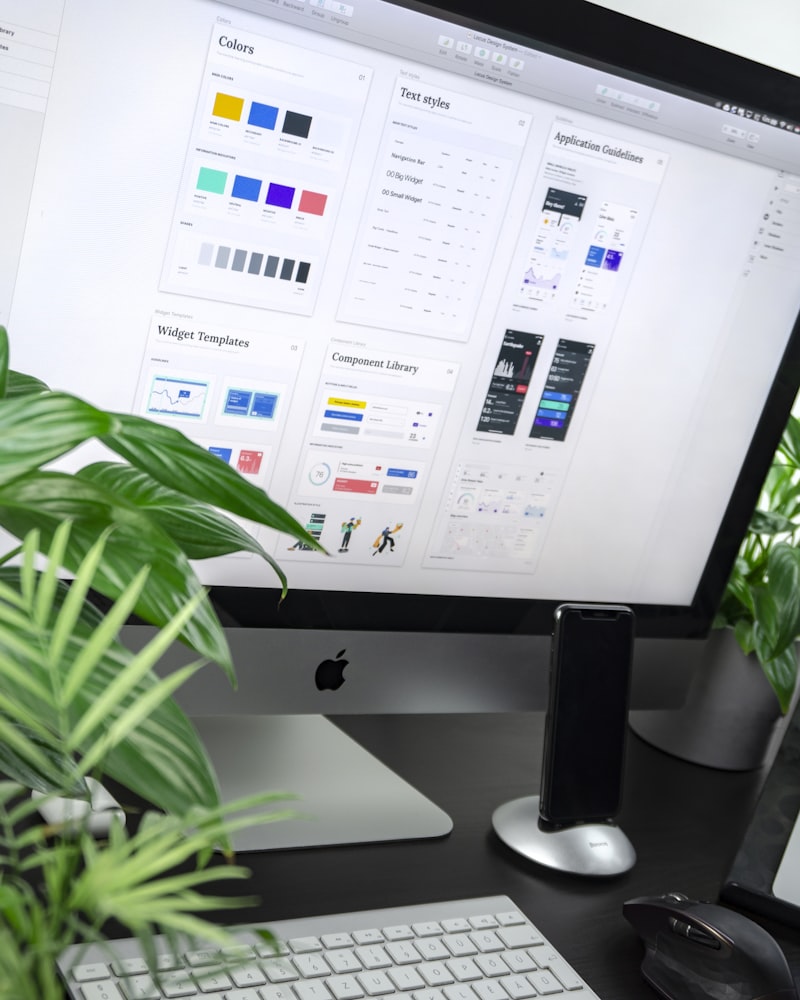
For years, the web design process has been strictly linear: wireframe, design in Figma, hand off to developers, and pray the final product matches the vision.
Claude's new design capabilities are completely blowing up this linear model.
Designing with Code
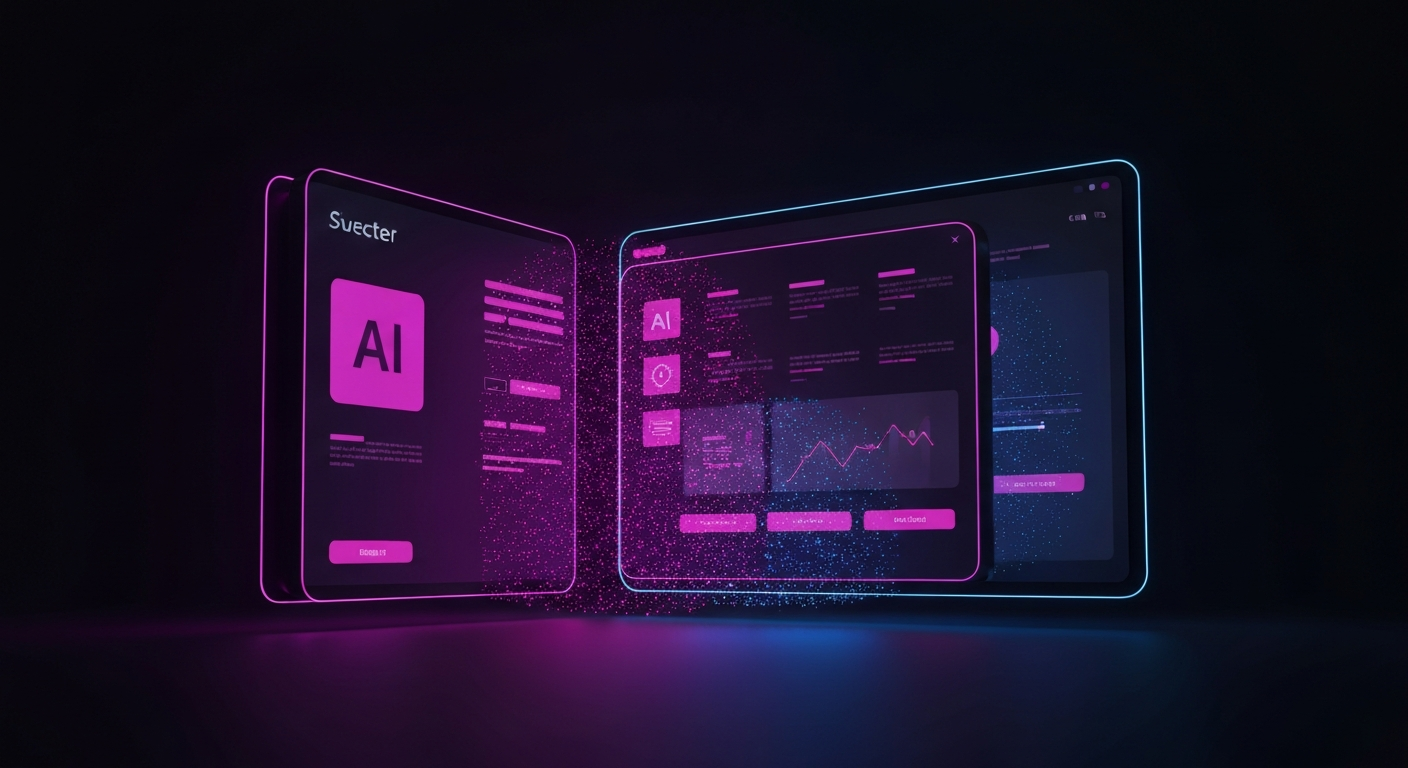
With the introduction of Artifacts and advanced UI generation, Claude isn't just writing backend logic anymore. It is generating fully functional, styled, and interactive frontend components in real-time.
You don't just ask Claude to "write a React component for a pricing table." You ask it to "design a high-converting, dark-mode pricing table with a glowing gradient border on the pro plan, and show me the preview."
The End of the Handoff
The traditional "developer handoff" is becoming obsolete.
When you use Claude as a design tool, the design is the code. You aren't looking at a static image of a button; you are looking at the actual HTML, CSS, and React logic that renders the button.
If the hover state feels too slow, you don't leave a comment on a Figma file. You just tell Claude, "make the hover transition snappier, around 150ms," and it updates the live code instantly.
Rapid Prototyping
This allows us to prototype at lightspeed. We can generate five different variations of a hero section, complete with complex animations and responsive layouts, in the time it used to take to build one static wireframe.
The future of web design isn't drawing rectangles on a canvas. It's conversing with an AI to sculpt code.